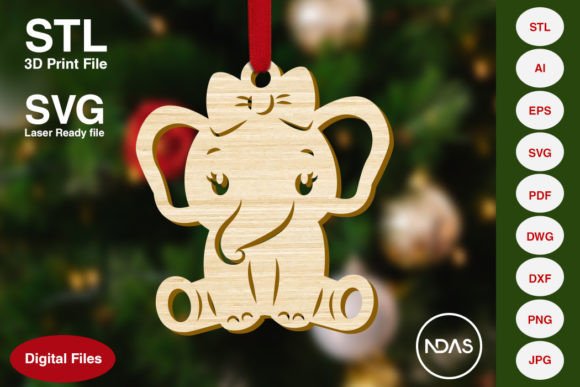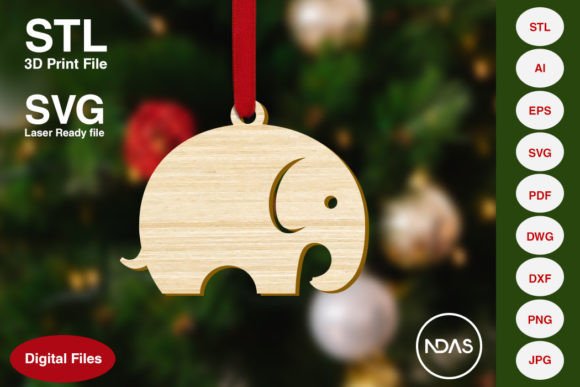
Baby Elephant Christmas Tree Ornament
As a designer who spends more time than I care to admit staring at stitch density charts and fabric swatches, I approach every new embroidery file with a healthy dose of skepticism. We are constantly bombarded with designs that look adorable in digital previews but fall apart the moment they hit the hoop. Recently, I pulled up the Baby Elephant Christmas Tree Ornament design to evaluate its potential for real-world application. My goal was not just to see if it stitches well, but to determine if it holds enough visual weight and charm to justify a spot on a customer’s holiday wish list or inside my own small shop inventory.
First Impressions and Visual Personality
The immediate draw of this machine embroidery design is its inherent cuteness factor. The subject matter—a baby elephant—evokes warmth, nostalgia, and softness. However, "cute" can often translate to "messy" in embroidery if the detail level isn't managed correctly. Upon closer inspection of the vector layers and simulated stitching, the design strikes a balance between simplicity and character. It avoids the trap of over-complicating a simple shape with unnecessary fill stitches that might pucker lightweight fabrics.
The theme suggests a clear direction: holiday decor and seasonal gifting. It feels less like a generic clipart and more like a curated element for a boutique-style product. When I imagine this stitched onto a natural linen tea towel or a cream-colored cotton tote bag, it immediately creates a cozy, rustic aesthetic. This is crucial for craft business owners targeting the handmade market, where authenticity and mood are just as important as the physical quality of the item.
Real-World Application Scenarios
To truly test this design, I mentally walked through several common projects where an embroidery project of this nature would thrive. Let’s look at how the Baby Elephant Christmas Tree Ornament performs in specific contexts.
- Holiday Gifts and Personalized Products: This design shines when used for personalized gifts. Imagine a custom embroidered onesie for a newborn born in December, featuring this gentle elephant motif. The soft curves of the elephant work beautifully on baby clothes, offering a tender alternative to traditional Santa or reindeer imagery. It also translates exceptionally well to nursery decor, such as pillow covers or wall hangings, where the home Decor aspect takes center stage.
- Small Business Merchandise: For an Etsy seller or small shop product creator, versatility is key. This design fits seamlessly into a collection of holiday embroidery items. It works perfectly on canvas totes, making it a great accessory for holiday shopping trips. It also has strong potential as an embroidered patch that can be ironed or sewn onto denim jackets, beanies, or backpacks, extending its life beyond the winter season into general winter wear.
- Kitchen and Linens: One of the most underrated applications for this type of design is on kitchen textiles. Stitching this onto a flour sack towel or a set of napkins adds a touch of whimsy to holiday hosting. The clean lines of the elephant ensure that even with frequent washing, the design remains crisp and recognizable, maintaining the professional look required for high-end finished product presentation.
Technical Considerations and Fabric Compatibility
While the aesthetic appeal is high, a responsible designer must consider the technical execution. Not all surfaces are created equal, and understanding where to use (and where to avoid) this design is vital for customer satisfaction.
Where to Exercise Caution
This design requires thoughtful placement. If you are planning to use it on stretchy fabric like jersey knits without proper stabilization, you risk distortion. Similarly, applying this to textured fabrics such as heavy tweed or bouclé may obscure the finer details of the elephant’s features. In these cases, the stitch density might get lost, resulting in a muddy appearance rather than a sharp image.
Another area to watch is dark fabric. While possible, achieving good contrast on black or navy materials requires careful selection of thread colors. White or light pastel threads may require a backing stabilizer that adds bulk, which could be uncomfortable on garments like sweatshirts. Always test color contrast before committing to a full production run.
Optimal Surfaces
The sweet spot for this design lies in stable, medium-weight fabrics. Cotton blends, flannel, and canvas provide the ideal structure to support the satin stitch and fill stitch elements without excessive puckering. For custom apparel like hoodies or crewneck sweatshirts, placing the design on the chest pocket area or centered on the front yields the best results. The scale of the elephant is manageable, allowing it to serve as a focal point without overwhelming the garment.
Design Assets and Commercial Viability
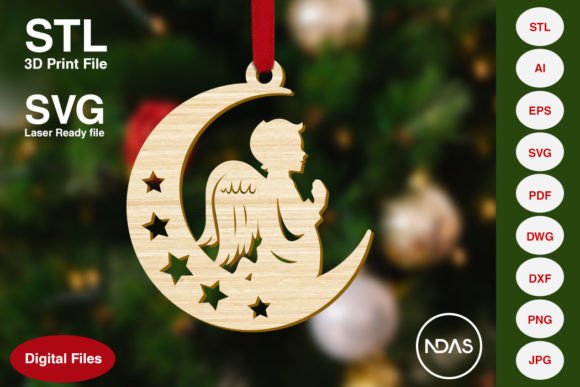
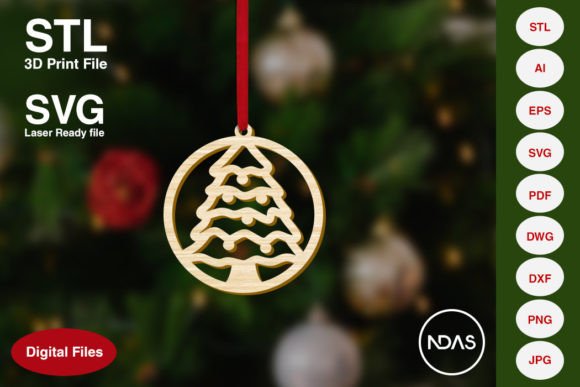
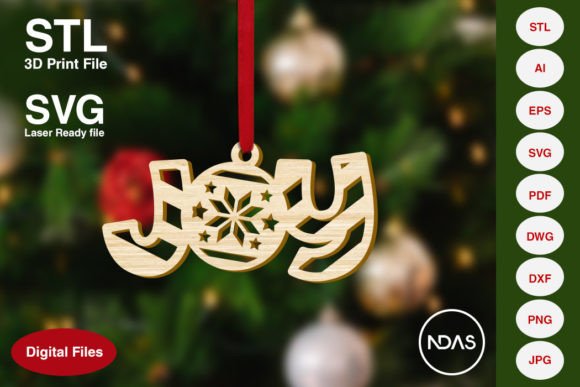
For those looking to integrate this into their workflow, it is important to note that the source material includes various formats such as STL, AI, SVG, EPS, PDF, DXF, DWG, PNG, and JPG files. This variety makes it a robust set of design assets, though it blurs the line between pure embroidery and other craft methods like laser cutting or 3D printing.
If your primary focus is commercial embroidery, you will need to isolate the vector paths suitable for digitizing or converting into machine-readable formats. Ensure that the converted file maintains the integrity of the original shape. When preparing printable mockups for your online store, using the PNG or JPG versions can help you visualize the final look on different backgrounds before you ever load a thread cone.
Before listing this as a digital embroidery file or selling finished goods, double-check the licensing terms provided by the creator. Even if the file package is comprehensive, commercial rights are not always implied. Clear communication about usage rights builds trust with your buyers and protects your brand consistency.
Final Verdict
The Baby Elephant Christmas Tree Ornament is a charming, versatile addition to any designer’s library. It succeeds because it balances emotional appeal with practical stitchability. It is not overly complex, yet it possesses enough personality to stand out in a crowded marketplace.
For the creative entrepreneur, this design offers a low-risk, high-reward opportunity. It appeals to a broad audience, from parents looking for unique baby gifts to decorators seeking subtle holiday accents. By testing it on scrap fabric first, verifying your hoop size constraints, and choosing the right stabilizer, you can transform this digital asset into a tangible, beloved keepsake. It is a reminder that sometimes, the simplest designs—the ones that evoke a smile—are the ones that sell best.